
Real Wax LED Pillars: A Sample Approval Checklist
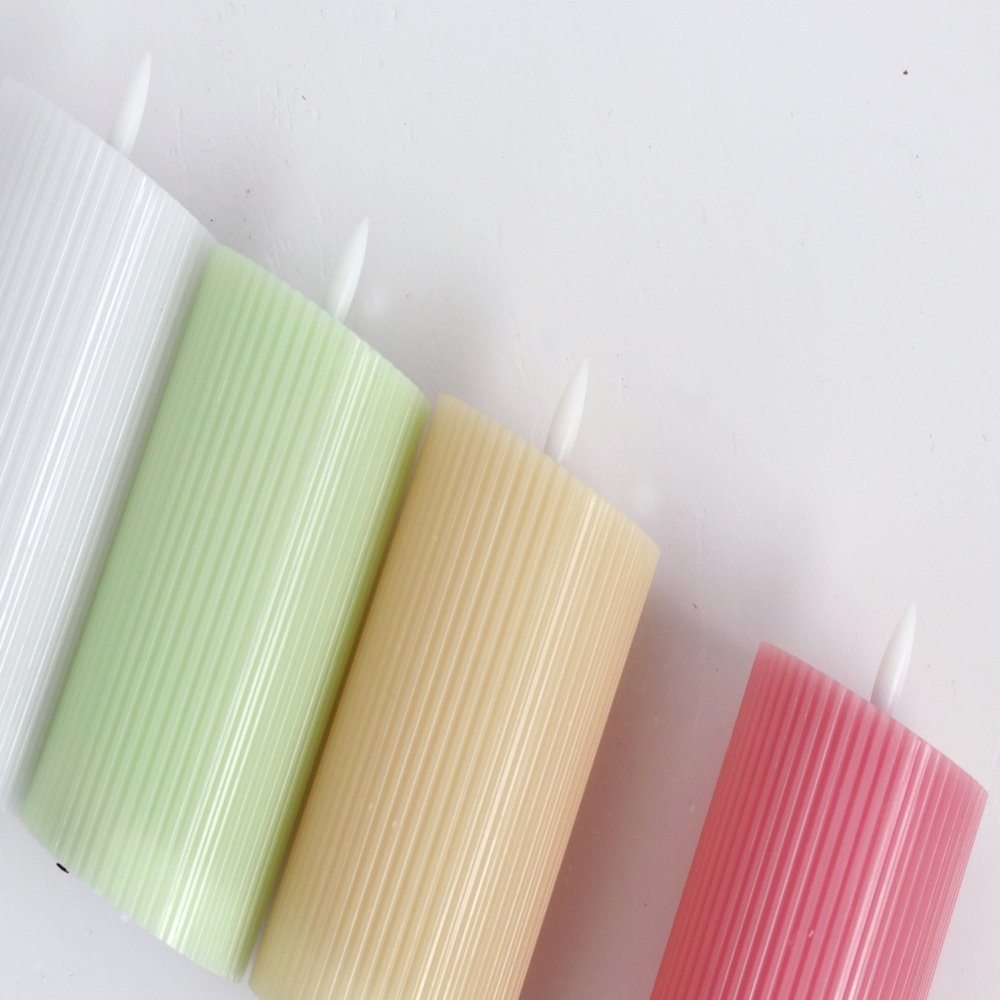
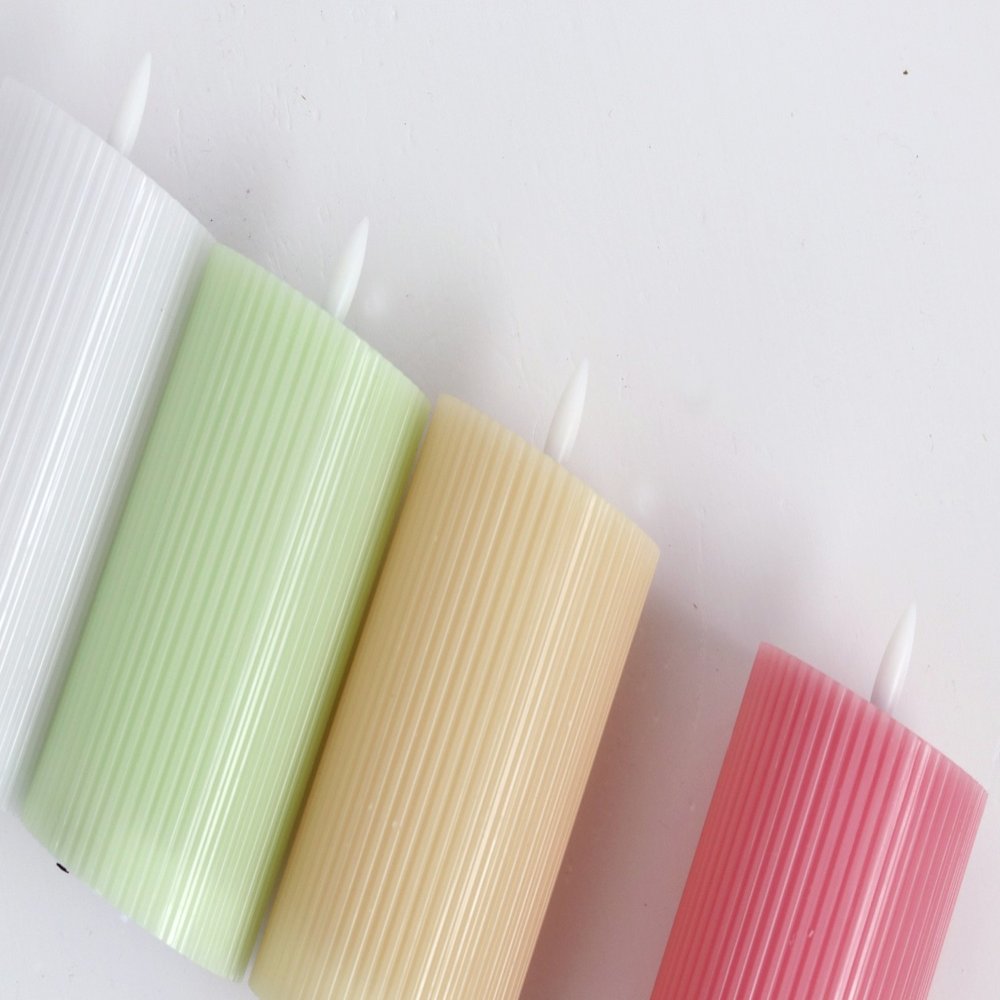
Approve real wax LED pillar samples by checking the exterior, light effect, operation and proposed packing as one specified product. Identify each size and surface style separately, and confirm the power source and included accessories. Keep observed appearance separate from runtime, durability or safety claims, which require appropriate supporting information for the exact item being ordered.
A buyer may like a pillar’s color before noticing that the surface style, height or controls differ from the intended assortment. Gemlux lists smooth, rustic-textured and fine vertical-stripe LED pillar references, with paraffin wax stated as the material. These references provide a useful sample shortlist, but they do not remove the need to confirm the exact operating configuration and order contents.
1. Identify the sample before reviewing its appearance
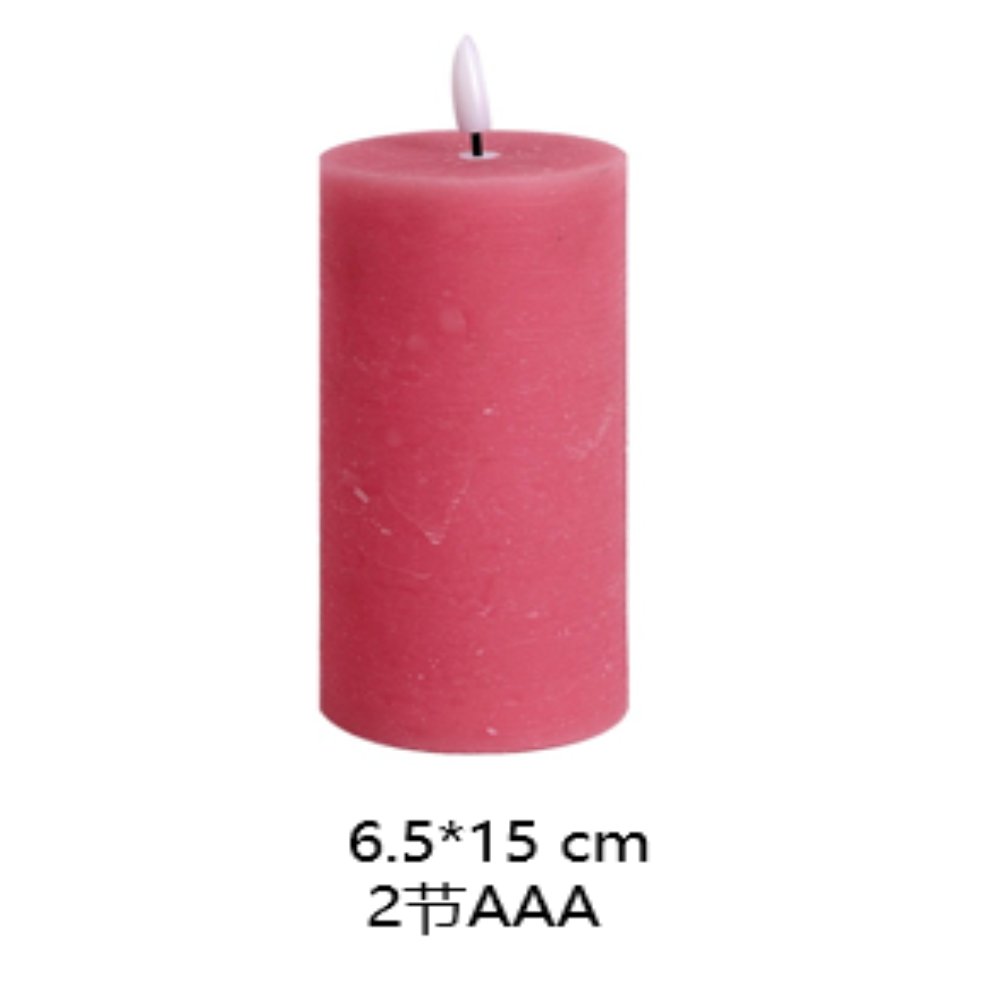
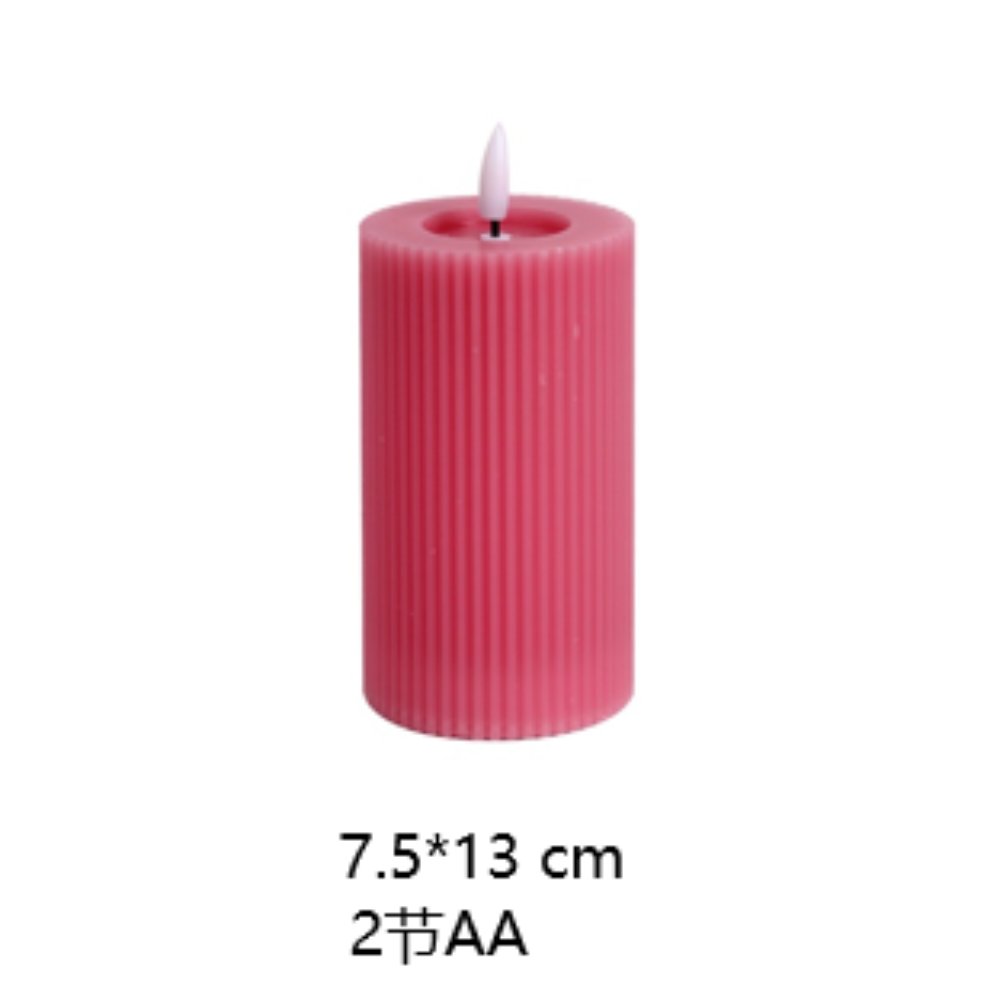
Assign each sample a product reference, selected size, color and exterior style. Catalogue listings can group several dimensions and colors, so ask the supplier to identify the version actually supplied. If a gallery shows more than one style, select a specific reference rather than treating every photograph as the same item.
Record what is included in the sample package. A decorative pillar, its power arrangement and any optional control accessory need a clear description. Do not assume batteries, a remote control or particular operating modes are supplied unless the selected configuration has been confirmed in writing.
Catalogue references: smooth pillar reference, rustic-textured pillar reference, fine-stripe pillar reference.
2. Review the wax exterior without promising performance
Look at the surface, base, upper edge and the area around the light element. Compare the selected sample with the approved style: smooth, rustic or ribbed surfaces may intentionally look different. Note unwanted marks, uneven features or color differences separately from the texture that defines the chosen design.
Handle the sample in a way agreed with the supplier and ask about appropriate storage and handling conditions. A paraffin-wax material description does not establish resistance to heat, sunlight, pressure or every display environment. If those conditions matter to your customer, request the relevant information instead of inferring it from a product image.
- Record selected style, size and supplied configuration.
- Separate light appearance from measured performance.
- Approve operation and packing with the physical sample.
3. Compare the light effect in the intended setting
Observe the sample under the lighting expected at the intended display. View the light element from the front and side, then note whether the visible effect matches the buying brief. Use the same setting when comparing variants so changes in room lighting do not become mistaken product differences.
Keep appearance observations distinct from measured performance. Descriptions such as a warm-looking effect do not establish a particular color temperature, brightness or operating life. If a numerical specification is needed, ask the supplier to confirm it for the selected item and state how the requirement will be evaluated.
| Review area | Practical sample observation | Separate confirmation |
|---|---|---|
| Exterior | Color, texture and visible finish | Material and handling requirements |
| Light effect | Appearance in intended display | Any numerical light specification |
| Operation | Switching and access as supplied | Power source and included accessories |
| Packing | Actual arrangement around the pillar | Required transport evaluation |
4. Confirm operation and the power configuration
Ask for the power-source information and instructions for the exact variant. Review access to the power compartment and the way the item is switched on and off. If additional functions are requested, identify them individually and obtain confirmation rather than borrowing features from another LED candle in the catalogue.
A short operating check confirms that the sample can be demonstrated as supplied; it is not a runtime or durability test. Agree any required electrical, product or destination documentation with the supplier and responsible buyer. Avoid repeating broad safety or long-lasting claims simply because they appear in promotional copy.
5. Retain the sample with its packed configuration
The selected pillar listings describe egg-crate packing. Ask to see the actual proposed arrangement for your variant, including clearance around the exterior and light element. Confirm how sizes and colors will be identified for receiving and order picking. A family-level packing description does not establish a tested shipping arrangement for every combination.
Retain the approved pillar, operating instructions, configuration sheet and packing reference together. Record revisions when color, surface style, dimensions or controls change. Before ordering, confirm the commercial terms and delivery plan directly, using the same configuration reference that the sample review approved.
Frequently Asked Questions
Does an LED pillar sample prove operating life?
No. A brief demonstration shows how that sample operates at the time of review. Request product-specific runtime information and agree any required evaluation separately. Do not turn a general long-lasting description into a guaranteed operating figure.
Are batteries or a remote automatically included?
Confirm the supplied configuration for the selected variant. A catalogue photograph or family name does not establish every accessory. List power components and controls separately in the order specification and the quotation.
Can one style sample approve the whole assortment?
Use it only for the details it actually represents. Different textures, sizes, colors or operating configurations may need separate confirmation. Keep a variant schedule so both the supplier and receiving team know which references were approved.
Request samples with a variant schedule showing surface style, size, color and required operation. Ask the supplier to identify each sample and confirm its supplied power configuration before completing approval. Browse the product catalogue, read the supplier blog hub or contact the supplier.