
Glass Candle Vessel RFQs: Define the Empty Cup
A glass candle vessel RFQ should identify the empty cup, decorative finish, intended filling process and every component included in the quotation. Separate the vessel from wax, wick, lid and presentation packaging. Request confirmation for the selected construction and application, then approve a physical reference before comparing commercial offers or arranging a bulk purchase.
An attractive holiday vessel can be offered as an empty component, a holder for a separate light or part of a finished candle. Those are different supply scopes. Gemlux lists Christmas tree glass vessels with an electroplated finish and paper-box packaging. The purchasing task is to convert that catalogue starting point into a precise component request, rather than assume everything visible in a decorative display is included.
1. State exactly what the supplier must deliver
Begin with the product URL and selected design reference. State that the requested item is an empty glass vessel if your business will carry out filling. List any requested lid, insert, label or individual box separately, and ask the supplier to confirm inclusion or exclusion. This prevents a quotation for an empty cup from being compared with a finished candle offer.
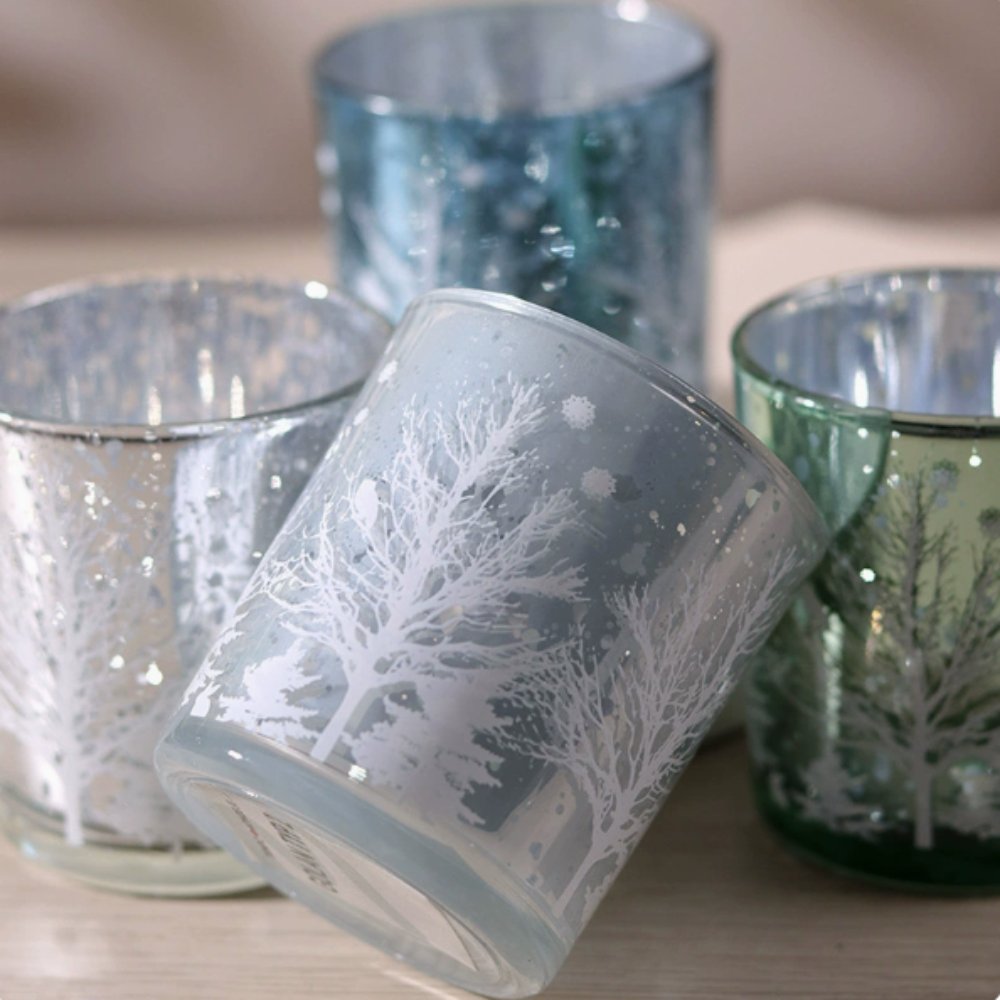
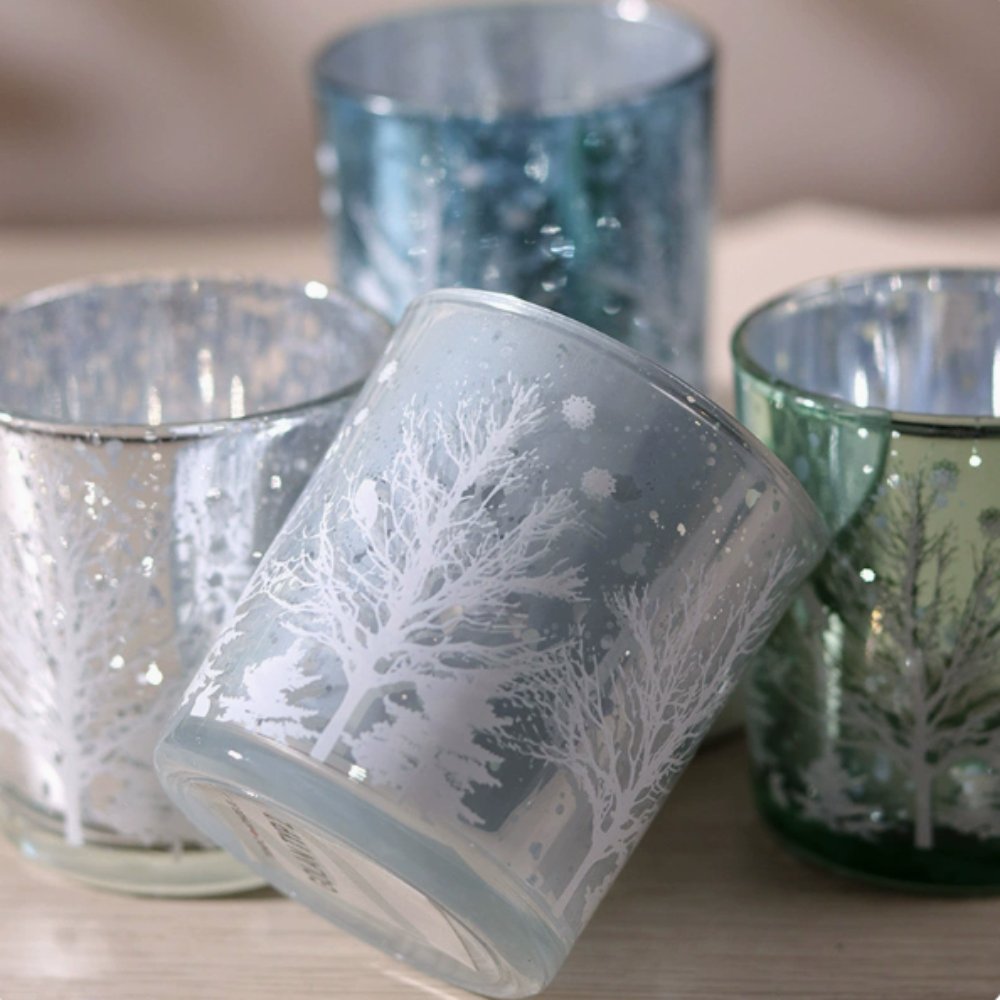
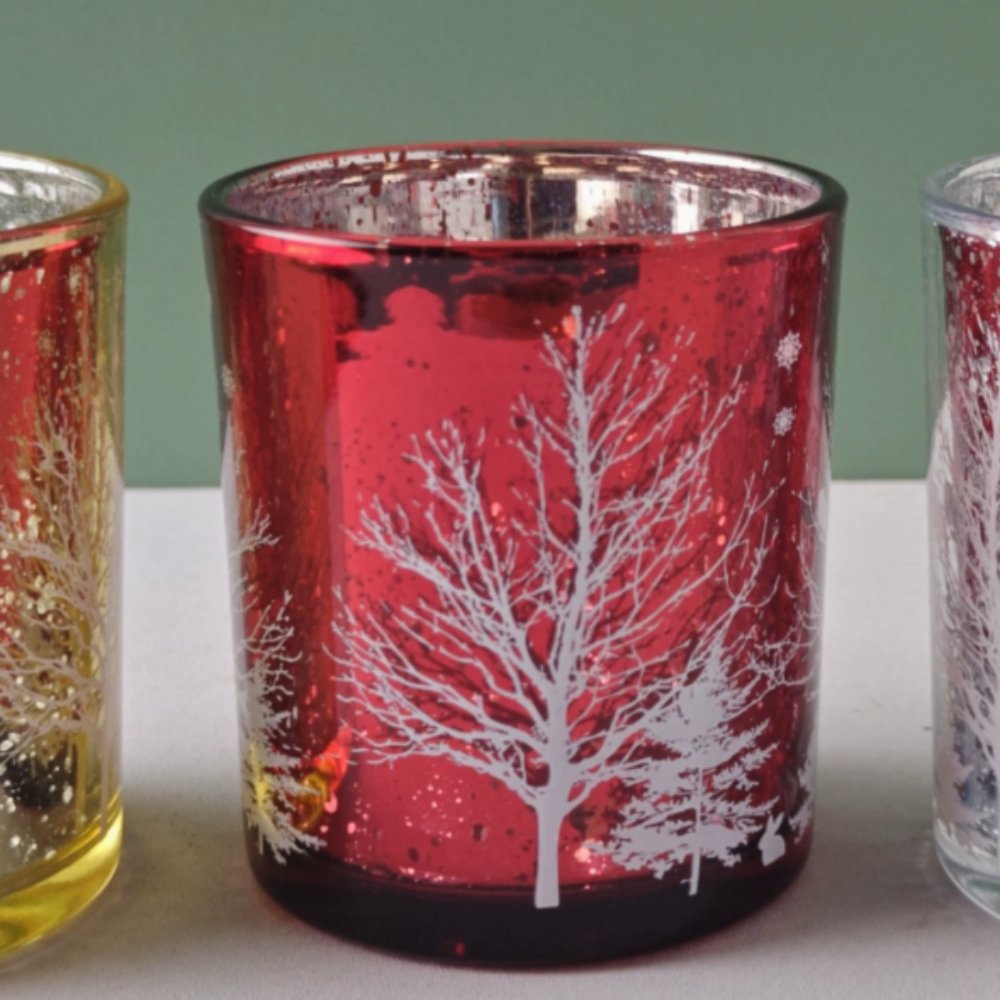
The green, blue and red tree listings belong to the same vessel family. Use separate quantity lines when selecting several finishes, but keep a common description for the underlying supply scope. A mixed photograph is a design reference, not an agreed assortment or evidence of the packed quantities.
Catalogue references: green tree vessel listing, blue tree vessel listing, red tree vessel listing.
2. Describe the intended use without assuming compatibility
Tell the supplier whether the vessel is intended for your candle filling process or for another specified decorative use. Ask which construction and finish details apply to that application. Provide the information your technical team needs to assess the selected vessel with the intended wax, wick and process, instead of treating appearance as proof of suitability.
Do not infer heat performance, resistance to breakage or compatibility with every filling recipe from a glass material description. If a particular evaluation is required, agree its scope and the evidence needed for the actual item. A sample that looks correct is a starting reference, not a completed application validation.
- Identify empty vessel versus finished candle supply.
- Specify intended application and the evidence needed.
- List finish variants and packing components separately.
3. Compare finish and design on the same basis
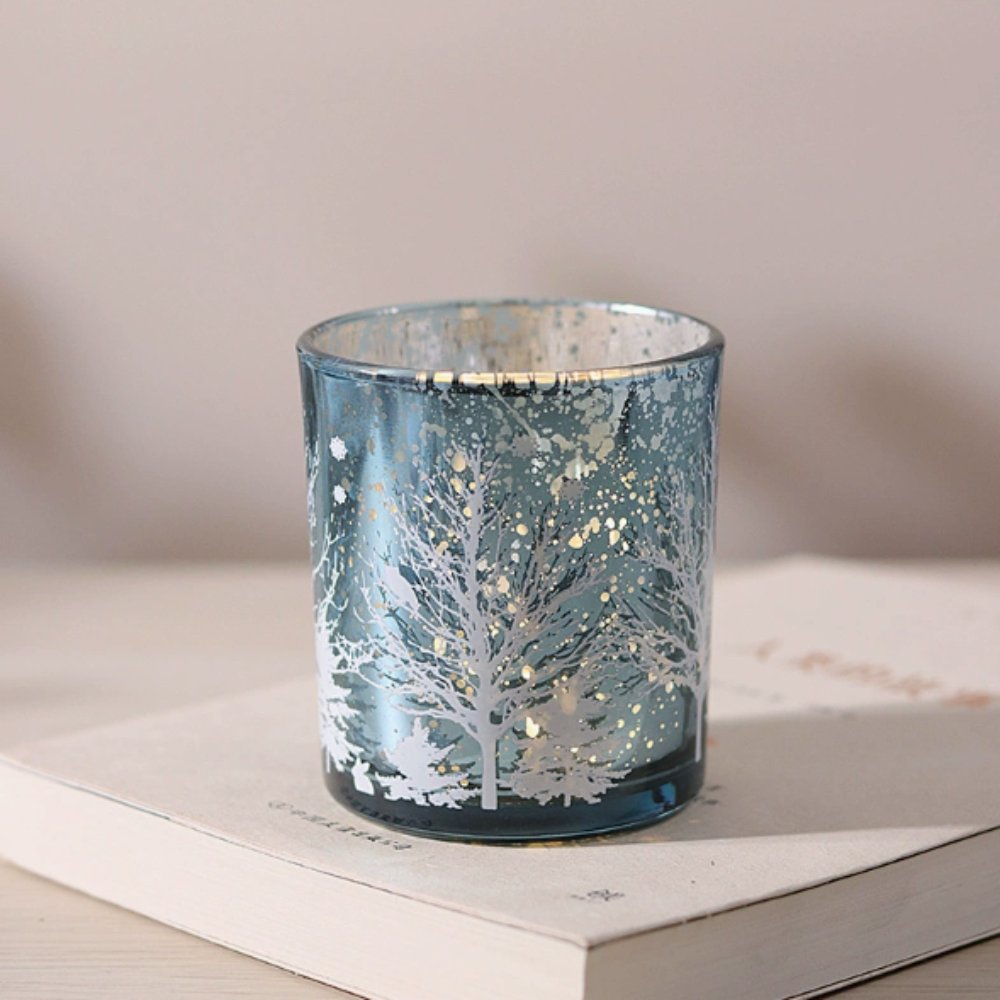
Specify the selected color, motif and the reference used for appearance approval. The catalogue describes electroplating and tree-pattern decoration. Ask for a clear view of the inside, outside, rim and base so the finish can be discussed across the entire cup. Separate intentional pattern effects from marks that the buyer would regard as unacceptable.
Use consistent viewing conditions when checking a physical sample. Metallic and reflective surfaces can look different across photographs and screens. Record the approved reference and any permitted appearance variation rather than asking the supplier to reproduce an undefined visual impression from a lifestyle image.
| RFQ decision | Empty component order | Finished candle order |
|---|---|---|
| Supplied contents | Vessel and expressly listed accessories | Vessel plus confirmed candle components |
| Technical review | Cup and intended filling process | Complete specified candle construction |
| Appearance reference | Glass, motif and finish sample | Complete filled and decorated item |
| Packing scope | Confirm cup separation and box | Confirm finished-product protection |
4. Clarify measurements, labels and packing together
Request confirmed dimensions for the chosen item and clarify which measurements matter to your filling or packing equipment. An outside diameter does not automatically answer a question about internal clearance or usable fill space. Ask for the needed drawing or measurement method before fixing another component around the vessel.
The product listings state paper-box packaging, but the full packing arrangement still needs confirmation. Ask how cups are separated, how each finish is identified and what the receiving unit contains. If your business supplies labels or cartons, identify who approves their fit and who is responsible for applying them.
5. Request a quotation that remains traceable
Send one requirement sheet with quantities by design, the chosen product references, sample requirements and the requested delivery basis. Ask the supplier to identify any assumptions in the offer. Keep commercial terms and timing as matters for direct confirmation; a general catalogue page is not a current quotation for your order.
Retain the approved empty cup, finish reference and packing sample together. If the finish, vessel construction or intended filling process changes, identify what needs to be reviewed again. This makes a later replenishment request easier to compare with the original order and helps the receiving team describe differences accurately.
Frequently Asked Questions
Does an empty vessel include wax and a wick?
Only if the quotation explicitly says so. Identify the requested supply scope and list every included component. Do not treat a candle-related product name or a decorative photograph as confirmation that filling materials are supplied.
Can a glass description prove filling compatibility?
No. Discuss the selected vessel with the supplier and your technical team for the intended process. Agree the relevant evaluation and supporting evidence instead of assuming that all decorative glass cups behave the same way.
How should several finishes appear in an RFQ?
Give each chosen finish or motif its own reference and quantity line. Link those lines to the same agreed component description where appropriate. Ask how the variants will be identified in the pack and on the shipping documents.
Send the selected vessel references, included-component list and intended application with your inquiry. Ask for a written response that distinguishes confirmed details from points still needing sample or technical approval. Browse the product catalogue, read the supplier blog hub or contact the supplier.