
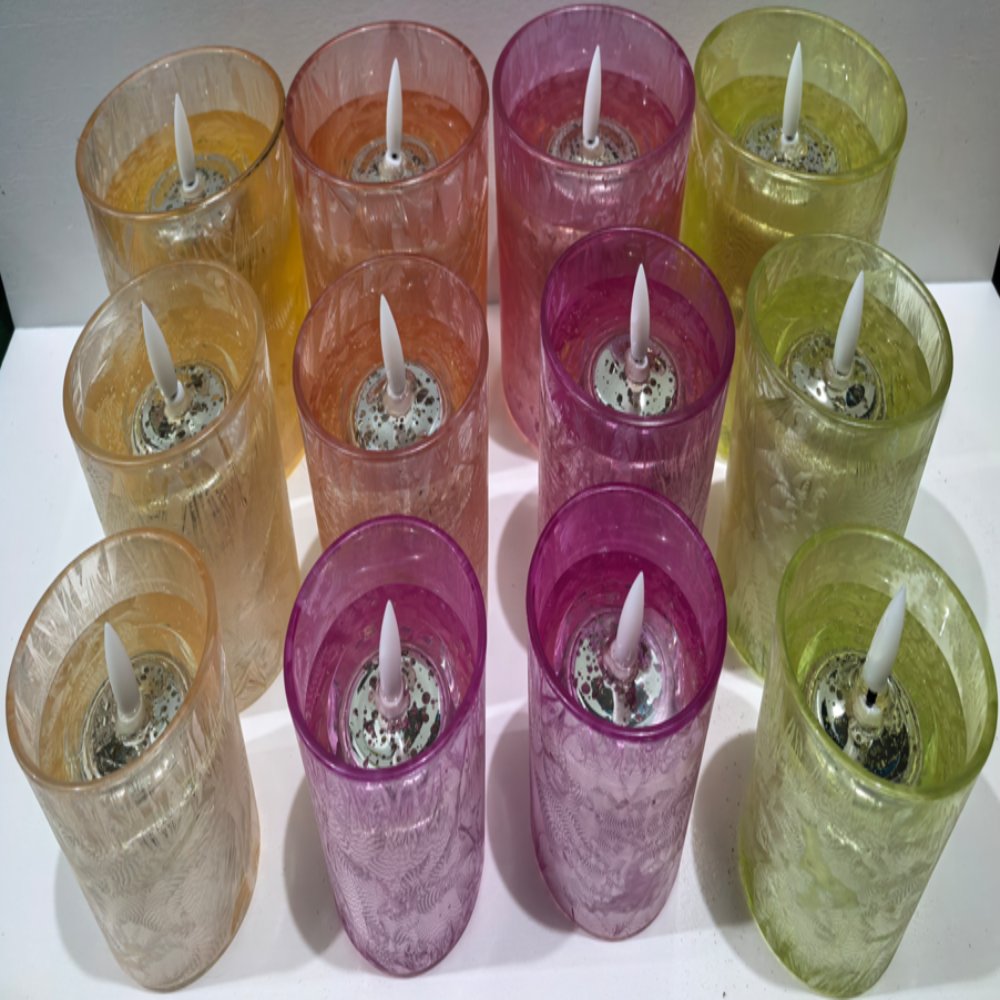
Patterned LED Cups: Approve the Unlit Design
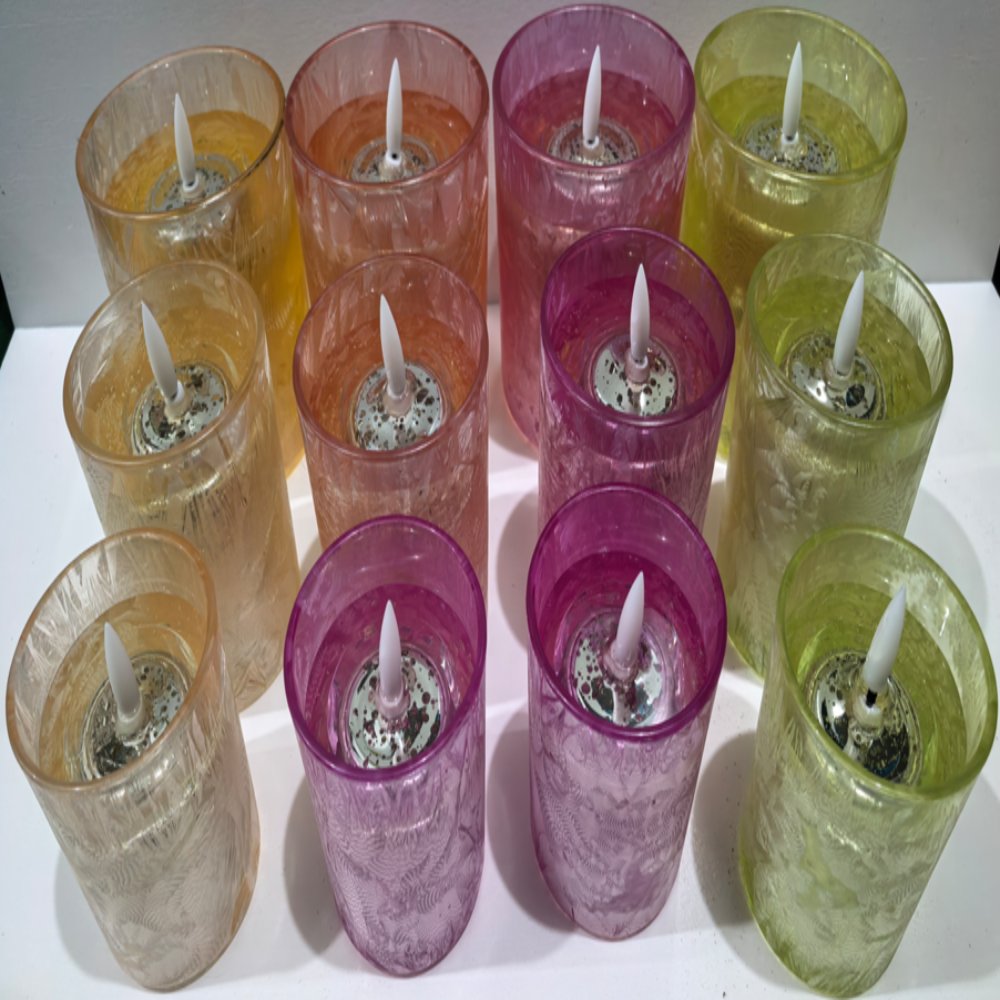
Approve patterned LED cups with an unlit appearance reference as well as a separate lit presentation reference. Identify the motif, orientation, colour and coverage on the selected physical sample. Ask for views around the cup and record the approved design revision. A decorative lighting photograph cannot establish the complete unlit pattern, optical performance or consistency of every production item.
A decorative cup can look quite different when its light is off. A purchasing team comparing feather, bow and fern catalogue designs therefore needs more than an attractive glowing image. The specific task here is decoration approval: what pattern appears on the selected cup and how it should be identified. Operating performance, quotation contents and protective packaging remain separate questions.
1. Start with one named motif
Use the exact product reference and selected design name when requesting samples. Gemlux lists feather, bow string and fern LED cup references. Those names identify different catalogue designs, not interchangeable descriptions of one pattern. Keep the original product URL beside the sample identifier so later comments can be traced to the intended selection.
If the buyer requests a change to the existing artwork, distinguish the original catalogue design from the requested revision. Ask the supplier to acknowledge the proposed change rather than writing it as an already confirmed capability. A sketch or marked photograph can clarify the request, while the finished sample remains necessary to review its appearance.
Official catalogue reference: feather patterned LED cup reference.
2. Request a complete unlit view
Ask for clear views of the selected cup without the decorative light effect obscuring its surface. Identify the front reference, the opposite side and the areas between them. A single group photograph may show several colours while still hiding the back of every item. Do not treat the visible portion as proof of complete pattern coverage.
For a repeating motif, ask how the design meets around the circumference and whether any boundary or blank area is intentional. Record the supplier’s explanation against a marked view. Avoid inventing a universal seam tolerance from a photograph; the parties should agree the relevant appearance boundary for the selected construction and design.
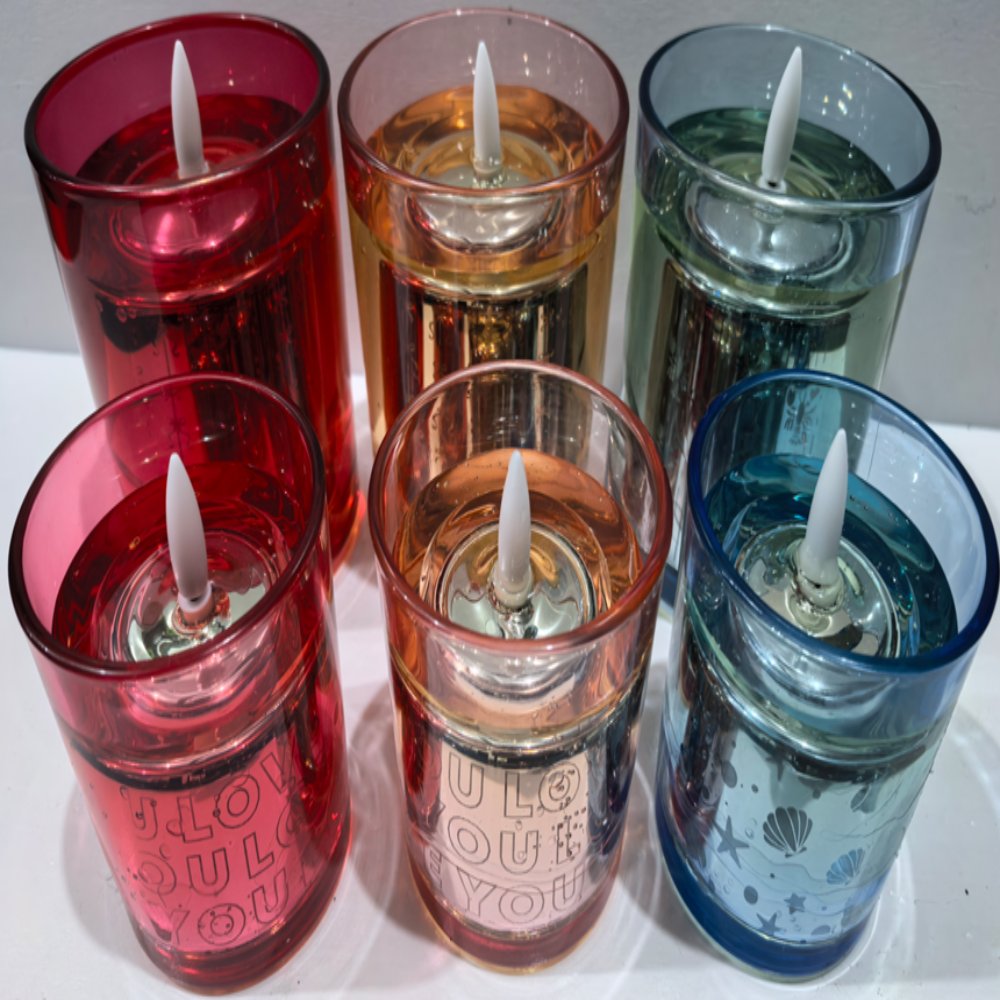
- Name the motif and exact sample revision.
- Request unlit views around the cup.
- Mark the top, base and intended motif orientation.
- Keep lit appearance and measured performance separate.
3. Mark orientation and coverage
Name the top and base of the cup in the review record and show the intended orientation of the motif between them. If the decoration contains a recognisable directional element, identify how it should appear when the product stands in its intended position. This is an appearance instruction, not evidence that the cup has been tested in a particular environment.
Use a simple design map to note which areas need confirmation. Distinguish the motif itself, any background finish and the colour reference. Their appearance can vary with photography and room lighting, so retain the actual selected sample where precise comparison matters. Do not use a screen image alone to establish an exact colour match.
| Design field | Appearance reference | Question to resolve |
|---|---|---|
| Motif | Named catalogue design | Original or requested revision? |
| Coverage | Views around the unlit cup | Which boundaries or blank areas are intentional? |
| Orientation | Top and base identified | How should the motif face in use? |
| Lit presentation | Same sample identifier | Does the proposed view match the selection? |
4. Compare the lit view separately
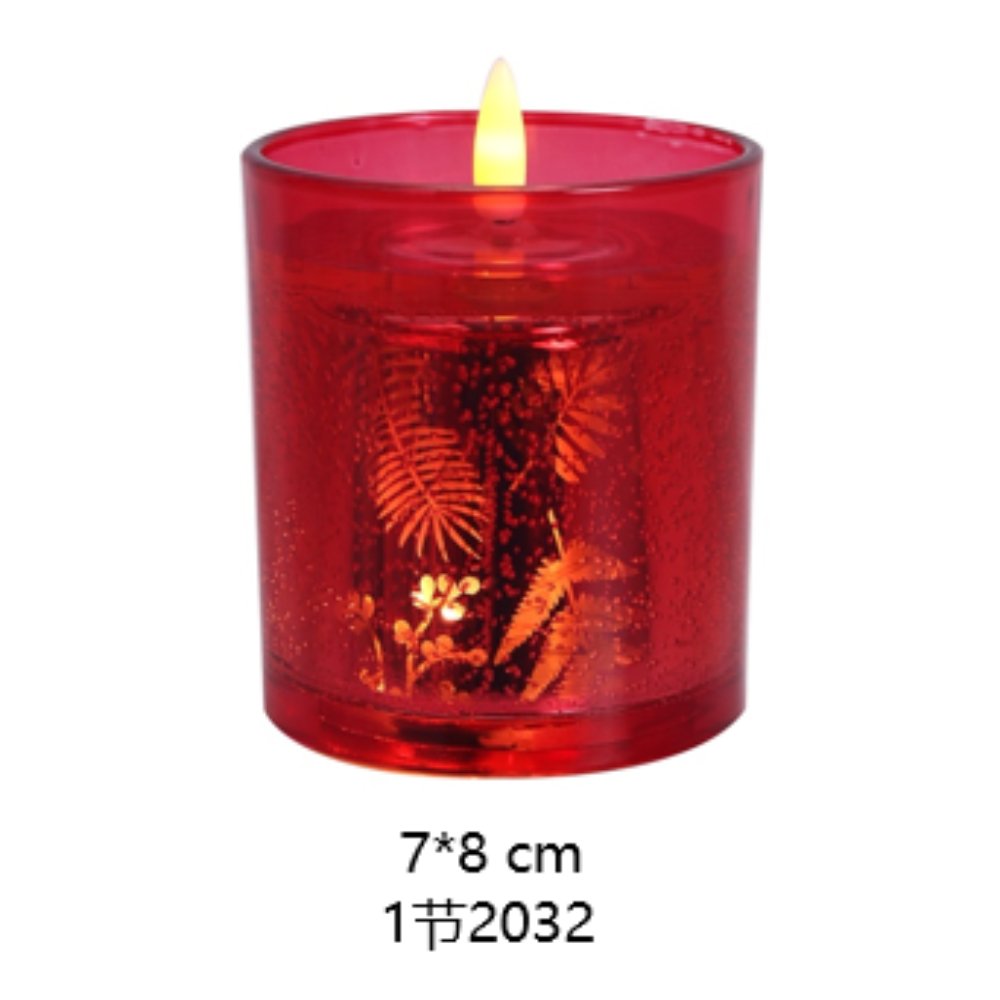
Once the unlit design is clearly identified, ask for the corresponding lit presentation of that same version. Keep the product identifier visible in both records so different colours or motifs do not become confused. The comparison can describe what the buyer observed, without attaching an unmeasured brightness, colour temperature or projection distance to the sample.
The catalogue includes illuminated presentations of patterned cups. Use those images as selection references and ask for clarification when the proposed sample differs. Do not infer that the photographed lighting arrangement proves a stated effect under every condition, or that a decorative pattern establishes a particular manufacturing method throughout the whole product family.
5. Release a traceable decoration reference
Write the approval decision against the sample and design revision: accepted, changes requested or resubmission needed. Keep unresolved questions specific, such as a missing view or unclear motif boundary. A general comment that the decoration looks good gives a later reviewer little help when another sample or colourway arrives.
Retain the unlit views, lit reference and physical sample together. If the design, colour or background finish changes, identify which appearance fields require renewed review. This keeps the decoration decision useful for later ordering while avoiding unsupported statements about operating life, breakage resistance, colourfastness or other performance that the appearance review did not establish.
Frequently Asked Questions
Can a group image approve every side of a patterned cup?
No. It may show several variants while concealing their reverse sides. Request the missing unlit views and identify the sample they represent before closing the decoration review.
Does a good lit effect prove the unlit decoration is correct?
No. The two records answer different appearance questions. Keep an unlit design reference and a matching lit presentation for the exact selected version.
Should one sample automatically approve every colour?
Confirm the scope of its approval. A sample may establish motif placement while another colour or finish still needs its own appearance reference and supplier confirmation.
For a product-specific enquiry, feather patterned LED cup reference is the catalogue starting point. Read the supplier blog and contact the supplier with the references and open questions described above.