
Light Sensing Candles: Request an Operating Brief
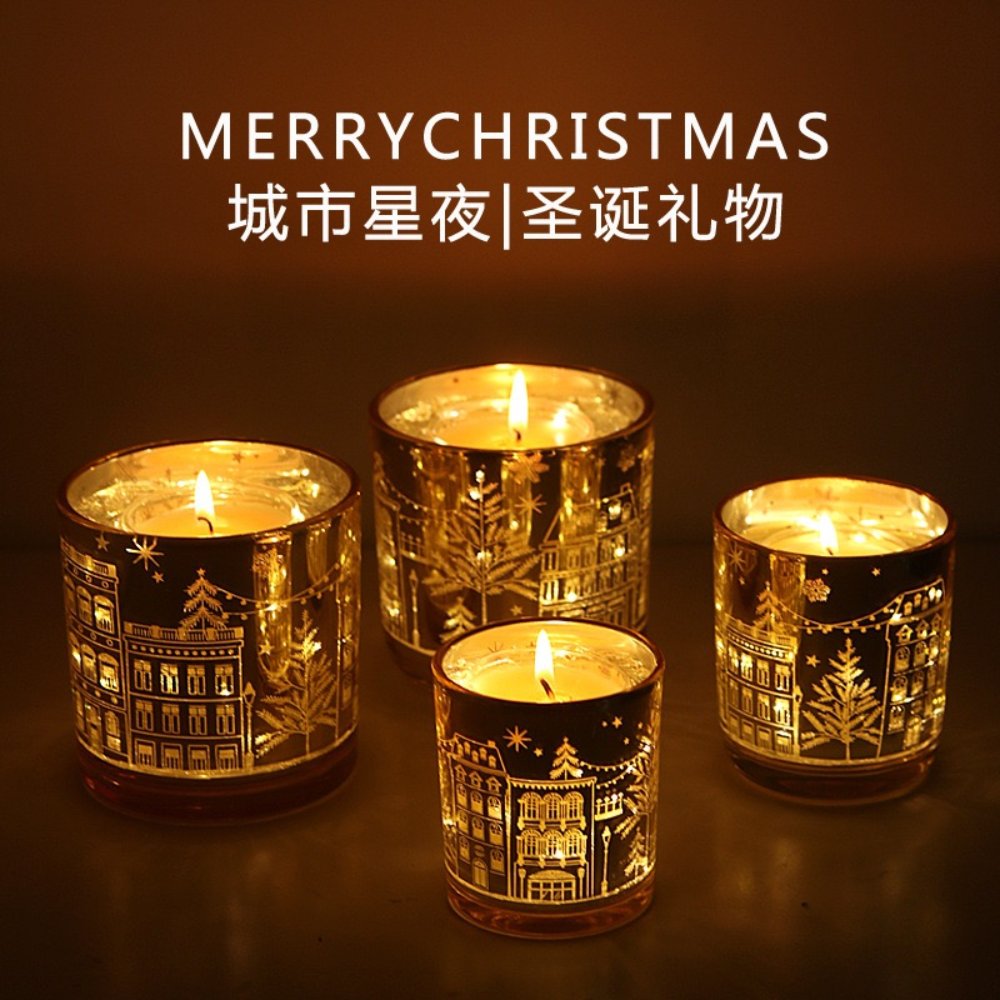
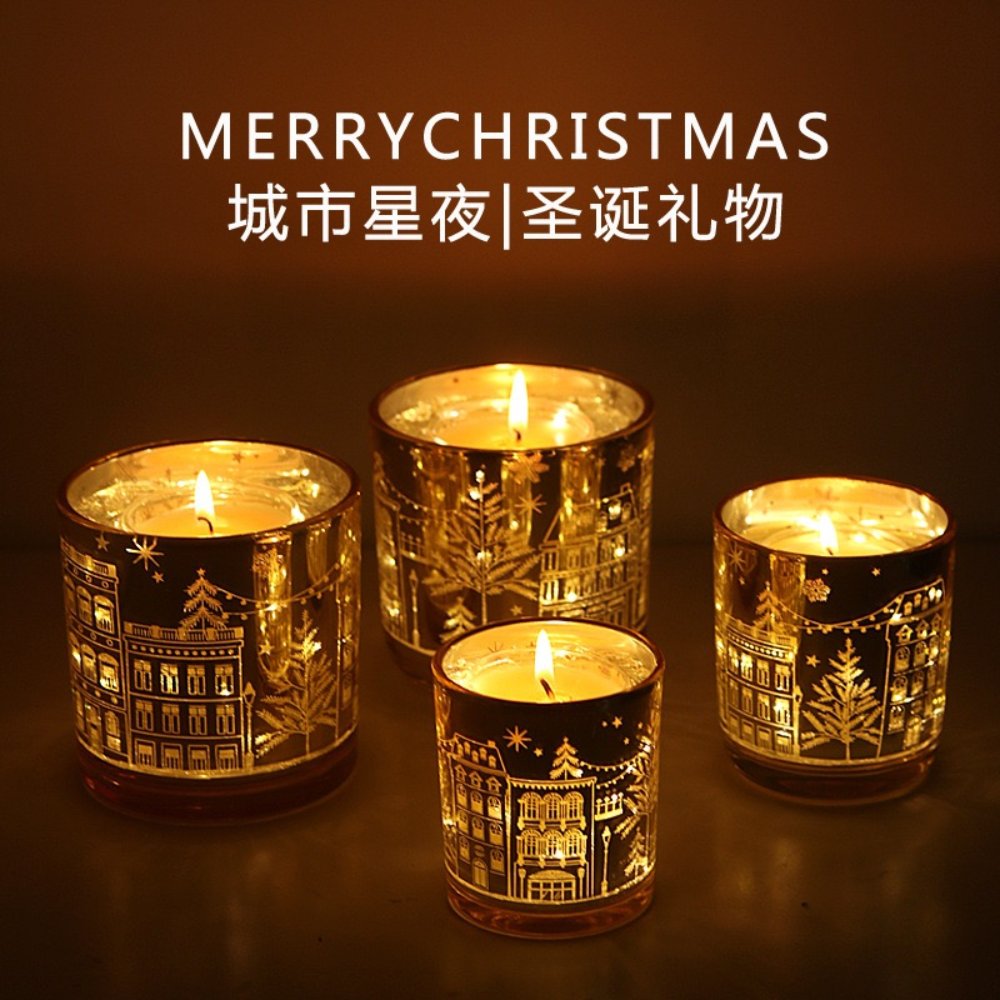
Before selecting a light sensing candle, request an operating brief for the exact supplied version. Ask the supplier to distinguish the candle element, LED function, power arrangement and stated trigger behaviour, with matching instructions and a product demonstration. A glowing catalogue photograph does not establish how the functions interact, whether a version is flameless, or its operating performance.
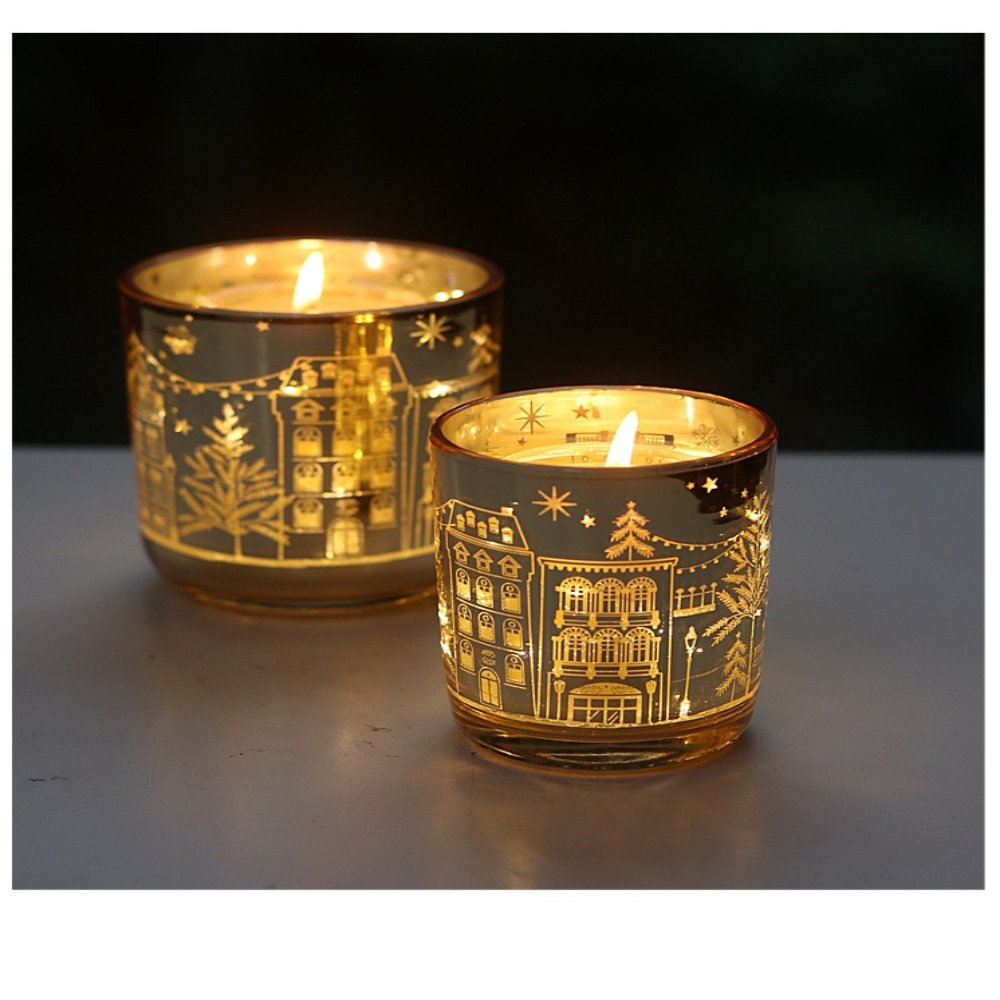
The same decorative jar can appear under an empty vessel, scented candle or LED candle option. For a buyer, the useful next step is a clear explanation of the selected product’s operating concept. This article concerns the information required to understand that concept before selection. It does not provide lighting instructions, endorse a safety claim or treat a staged photograph as a completed product test.
1. Identify the exact operating version
The Gemlux light sensing listing names empty, scented and LED versions among its available variants. Give the requested version its own reference rather than using the jar photograph as the whole specification. Ask the supplier which description applies to the proposed sample and which features belong to other versions in the same catalogue family.
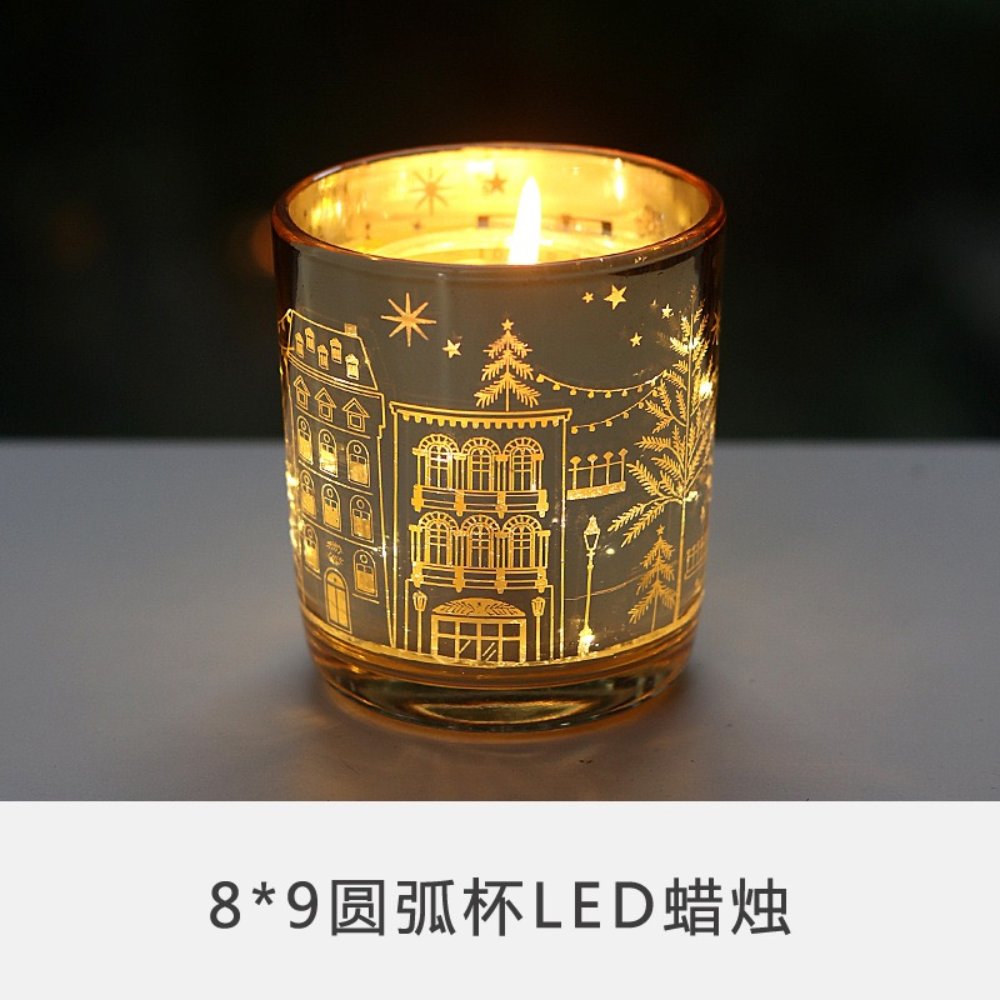
Record the product link, selected size description and version name together. If the response uses a different name, ask the supplier to reconcile it before the sample is sent. A cup shape or decorative motif can help identify appearance, but it does not confirm the internal components or operating functions of the supplied product.
Official catalogue reference: light sensing candle catalogue reference.
2. Ask how the functions relate
Request a plain explanation of the relationship between the candle element and the LED function. The catalogue describes a light sensing effect associated with the candle being lit or extinguished. Treat that as a supplier description to clarify for the exact version, rather than claiming that the behaviour has been independently demonstrated or measured.
Ask the supplier to identify what triggers the stated response, what power arrangement applies and which user controls are provided. Leave unanswered questions visible. Do not infer that the product is wholly flameless because LED appears in its name, or that every decorative candle in a mixed image has the same operating construction.
- Identify the exact empty, scented or LED version.
- Ask how the candle element and LED function relate.
- Request matching instructions and an identified demonstration.
- Keep unresolved performance and documentation questions visible.
3. Request evidence that matches the model
Ask for the product instructions and a supplier demonstration identified with the selected model or version. The demonstration should make clear which functions are being described and which conditions the supplier considers relevant. A purchasing team can use that record to decide what further product-specific review is needed without attempting an improvised operating procedure.
Keep promotional photography separate from that demonstration record. A photograph showing a bright cup may be useful for discussing appearance, yet it cannot explain the control sequence, power components or limits of use. Any numerical response time, runtime or other performance statement needs its own appropriate supporting information for the actual supplied construction.
| Information field | Question for the supplier | Evidence to retain |
|---|---|---|
| Version | Which exact configuration is proposed? | Model and version reference |
| Function | How are the stated operating functions related? | Matching operating brief |
| Power and controls | What arrangement applies to this version? | Instructions and component description |
| Claims | Which statements have supporting evidence? | Product-specific response |
4. Keep documentation questions separate
Give the responsible supplier and buyer the intended product destination and proposed use description. Ask them to identify the instructions, product information and documentation required for that configuration. This is a request for an order-specific response; it is not a claim that a general catalogue category establishes suitability for every market or location.
Do not turn broad source wording about smoke, scent or safety into a purchasing conclusion. If such a claim is important to the proposed retail description, request evidence and have the responsible parties review it. Until then, keep the selection record focused on the confirmed identity, supplied components and documented operating concept.
5. Close the operating questions before selection
Build a short question log with one answer field for each unresolved function. Identify who supplied the answer, its date and the product reference it covers. If the supplier changes the version during selection, check whether the earlier operating explanation still applies instead of automatically carrying it across to the replacement.
Retain the model reference, operating brief, instructions and any demonstration link as one selection package. An approved decorative appearance does not close unanswered operation questions. Before ordering, request a response that distinguishes confirmed facts from pending details, and arrange any additional technical review through the responsible people for the intended product and market.
Frequently Asked Questions
Does LED in the name mean the whole product is flameless?
Do not assume that. Ask the supplier to describe the exact version and its candle and LED functions. The selected catalogue family includes several configurations, and a name or photograph is not a complete operating description.
Can an illuminated photograph establish the trigger behaviour?
No. It shows a presented appearance at one moment. Request a model-specific explanation and demonstration, and keep any required numerical evaluation separate from the photograph.
Should the buyer repeat smoke elimination claims?
Only use a claim that has suitable support for the exact product and has been reviewed by the responsible parties. A general catalogue phrase does not supply that evidence.
For a product-specific enquiry, light sensing candle catalogue reference is the catalogue starting point. Read the supplier blog and contact the supplier with the references and open questions described above.